
Mostbet – Azerbaycanda Idman Mərcləri və Onlayn Kazino
Mostbet, beynəlxalq idman mərcləri və onlayn kazino xidmətləri təqdim edən populyar platformadır. Azərbaycan istifadəçiləri üçün yerli AZN valyutasını, müxtəlif ödəniş üsullarını və tam lokalizasiya olunmuş interfeysi dəstəkləyən bu sayt, geniş oyun seçimi və cəlbedici bonuslar təklif edir. Platformanın əsas xüsusiyyətləri haqqında məlumat əldə etmək üçün https://mostbet-giris-az.org/ istinad mənbəyi kimi xidmət edə bilər.
Mostbet Platformasına Ümumi Baxış
Mostbet, 2009-cu ildən fəaliyyət göstərən və Curacao lisenziyası altında işləyən beynəlxalq bukmeker kontorudur. Platforma əsasən idman mərcləri, canlı mərc, virtual idman növləri və geniş onlayn kazino oyunları ilə tanınır. Azərbaycan bazarında fəal iştirak edən Mostbet, yerli istifadəçilərə uyğunlaşdırılmış xidmət göstərir.
Mostbet-də Qeydiyyat Prosesi
Platformada hesab yaratmaq sadə və bir neçə dəqiqə çəkir. İstifadəçilər əsas məlumatları – telefon nömrəsi, e-poçt ünvanı və ya sosial şəbəkə hesabı vasitəsilə qeydiyyatdan keçə bilərlər. Qeydiyyatı tamamlamaq üçün şəxsiyyətin təsdiqi məcburi deyil, lakin sonrakı maliyyə əməliyyatları üçün KYC proseduru tələb olunur.
- Telefon nömrəsi ilə qeydiyyat: Ölkə kodunu (+994) seçdikdən sonra nömrənizi daxil edin və SMS vasitəsilə gələn təsdiq kodunu yazın.
- E-poçt ünvanı ilə qeydiyyat: E-poçt ünvanınızı və güclü bir parol təyin edin, sonra poçt qutunuzdakı aktivasiya linkinə klikləyin.
- Sosial şəbəkə ilə qeydiyyat: Google, Facebook və ya digər sosial media hesablarınızla sürətli giriş edə bilərsiniz.
- İlk depozit bonusunu aktivləşdirmək üçün qeydiyyat zamanı promokoddan istifadə etmək mümkündür.
- Qeydiyyatdan sonra şəxsi kabinetdə profil məlumatlarınızı tamamlamağı tövsiyə edirik.
Mostbet Mobil Tətbiqi
Mostbet mobil tətbiqi iOS və Android əməliyyat sistemləri üçün mövcuddur. Tətbiq rəsmi saytdan endirilə bilər və istifadəçiyə desktop versiyanın bütün funksiyalarını – canlı mərclər, kazino oyunları, hesab idarəetməsi və dəstək xidməti təqdim edir. Tətbiqin interfeysi Azərbaycan dilində də mövcuddur.
- Android tətbiqi APK faylı kimi rəsmi saytdan endirilir, cihazınızda naməlum mənbələrdən quraşdırmanı aktivləşdirmək lazımdır.
- iOS tətbiqi App Store-dan tapıla bilər, lakin bəzi ölkələrdə məhdudiyyətlər ola bilər.
- Tətbiq daxilində birbaşa depozit və vəsait çıxarışı əməliyyatları həyata keçirilə bilər.
- Bildirişlər vasitəsilə ən son matç nəticələri və bonus təklifləri haqqında məlumat ala bilərsiniz.
- Tətbiqin sistem tələbləri aşağıdır: Android 5.0 və ya daha yüksək, iOS 11.0 və ya daha yeni versiya.
Mostbet Bonusları və Promo Aksiyaları
Mostbet yeni və daimi müştəriləri üçün müxtəlif bonus proqramları təklif edir. Ən populyar təklif ilk depozit bonusudur, lakin həmçinin pulsuz fırlanmalar, keşbek və aksessuar mərcləri də mövcuddur. Bütün bonusların öz şərtləri və mərc tələbləri var.
| Bonus Növü | Təsviri | Əsas Şərtlər |
|---|---|---|
| Xoş gəldin bonusu | İlk depozitə görə bonus | Minimum depozit 10 AZN, mərc tələbi 5x |
| Pulsuz fırlanmalar | Müəyyən slot oyunlarında pulsuz dəfələr | Adətən depozitsiz verilir, qazanclar mərc tələbinə tabedir |
| Ekspress bonusu | Birdən çox hadisəni ehtiva edən mərclər üçün faiz artımı | Minimum 3 hadisə, əmsal 1.40-dan yuxarı |
| Həftəsonu cashback | İtirilmiş mərclərin faizi qaytarılır | Adətən həftəlik itkilərin 10%-ə qədəri |
| Doğum günü bonusu | Profilində doğum tarixini təsdiq edən istifadəçilər üçün | Şəxsi kabinetdə məlumatlar doldurulmalıdır |
| Loyalty proqramı | Daimi oyun üçün xallar toplanır və mükafatlara çevrilir | Hər mərc üçün xal verilir, statuslar artır |
Mostbet-də Depozit və Vəsait Çıxarılması
Azərbaycan istifadəçiləri üçün Mostbet AZN ilə işləyir, bu da valyuta dəyişikliyi ilə bağlı əlavə xərclərdən qaçınmağa imkan verir. Platforma müxtəlif ödəniş üsullarını dəstəkləyir, depozitlər adətən dərhal hesaba daxil olur, çıxarışlar isə seçilən metoddan asılı olaraq bir neçə dəqiqədən bir neçə iş gününə qədər çəkə bilər.
- Bank kartları: Visa, Mastercard ilə depozit və vəsait çıxarışı.
- Elektron pul kisələri: PayPal, Skrill, Neteller, Sticpay.
- Mobil ödənişlər: Apple Pay, Google Pay.
- Kriptovalyutalar: Bitcoin, Ethereum, Litecoin, Tether.
- Ölkəyə xas üsullar: Birbaşa bank köçürməsi.
- Minimum depozit məbləği adətən 5 AZN, minimum çıxarış isə 15 AZN təşkil edir.
- Depozit üçün komissiya yoxdur, lakin bəzi ödəniş provayderləri öz komissiyasını tuta bilər.
Mostbet Təhlükəsizliyi və KYC Tələbləri
Mostbet Curacao lisenziyası əsasında fəaliyyət göstərir və məlumatların qorunması üçün SSL şifrələməsindən istifadə edir. Maliyyə əməliyyatlarının təhlükəsizliyini təmin etmək üçün platforma “Tanı-Öz-Müştərini” (KYC) prosedurunu həyata keçirir. Bu, istifadəçilərin şəxsiyyətini təsdiqləmək və qanunsuz fəaliyyətin qarşısını almaq üçün lazımdır.

KYC üçün təqdim etməli olduğunuz sənədlərə pasport və ya şəxsiyyət vəsiqəsinin surəti, yaşayış ünvanını təsdiq edən sənəd (məsələn, kommunal ödəniş qəbzi) və istifadə olunan bank kartının üz tərəfinin fotosu daxildir. Sənədlərin yoxlanılması adətən 24-72 saat çəkir.
Mostbet Dəstək Xidməti
Mostbet müştəri dəstəyi 7/24 fəaliyyət göstərir və bir neçə dildə, o cümlədən Azərbaycan dilində xidmət göstərir. Kömək almaq üçün bir neçə kanal mövcuddur: onlayn söhbət, e-poçt və telefon zəngi. Dəstək komandası hesab, mərc, bonus və texniki məsələlərlə bağlı suallara cavab verə bilir.
- Onlayn söhbət: Saytın və ya tətbiyin aşağı sağ küncündəki düyməyə klikləməklə ən sürətli əlaqə üsuludur.
- E-poçt: Rəsmi dəstək ünvanına müraciət edə bilərsiniz, cavab 24 saat ərzində gözlənilir.
- Telefon: Beynəlxalq nömrə vasitəsilə zəng etmək olar, lakin tarif ölkənizin operatorundan asılıdır.
- Tez-tez verilən suallar (FAQ) bölməsi: Əksər ümumi sualların cavabları orada var.
- Dəstək xidməti həmçinin sosial media vasitəsilə də əlaqə qurmağa imkan verir.
Mostbet Oyun Seçimi və Növləri
Platforma idman mərcləri və kazino oyunları baxımından zəngindir. Idman bölməsində futbol, basketbol, tennis, voleybal kimi ən populyar idman növləri, həmçinin daha az tanınan idmanlar üzrə geniş bazar mövcuddur. Kazino bölməsində isə yüzlərlə slot maşını, rulet, blackjack, poker və canlı diler oyunları var.
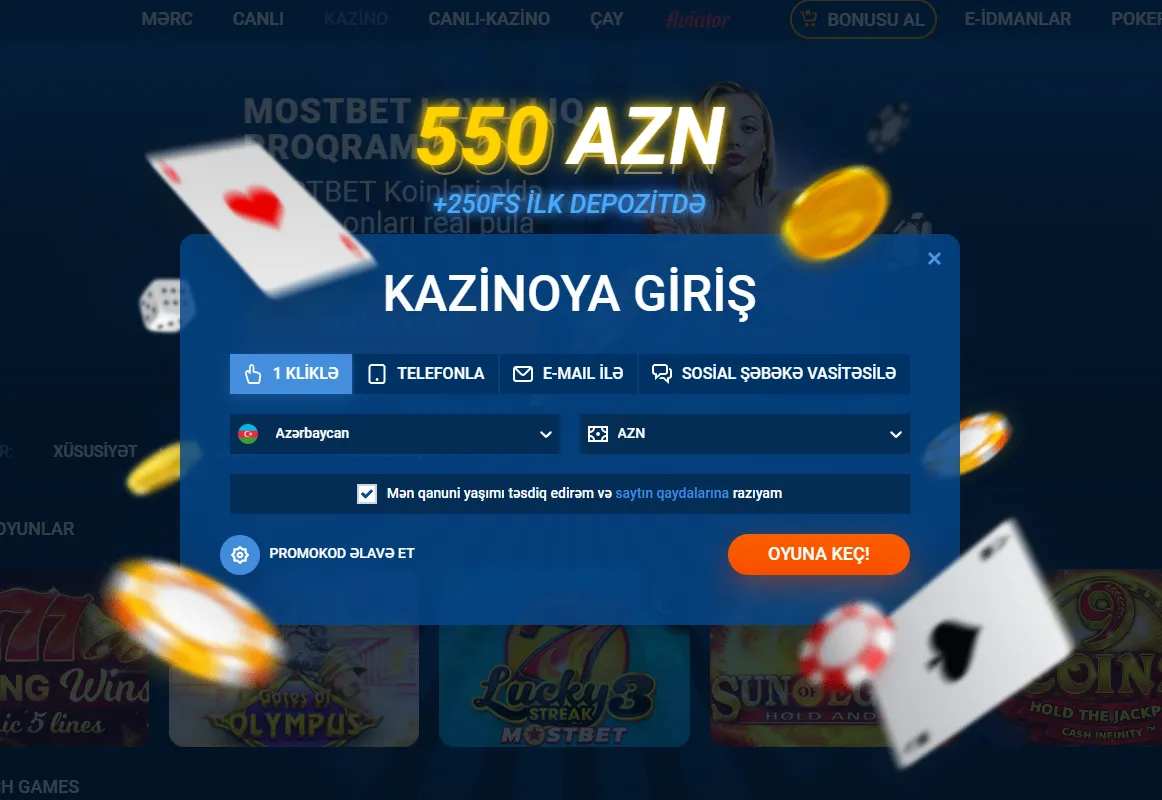
Mostbet həmçinin virtual idman, TV oyunları və siyasi hadisələr kimi qeyri-adi mərc bazarqlarını da təklif edir. Canlı mərc funksiyası istifadəçiyə matç davam edərkən mərc etməyə imkan verir və əmsallar real vaxtda dəyişir.
Mostbet-də Hesabın İdarə Edilməsi
Şəxsi kabinetdə istifadəçi öz balansını, mərc tarixçəsini, aktiv bonuslarını və şəxsi məlumatlarını idarə edə bilər. Burada depozit və vəsait çıxarışı əməliyyatlarını həyata keçirmək, mərc limitlərini təyin etmək, hesabı müvəqqəti olaraq dondurmaq və ya öz-özünə istisna etmək mümkündür. Məhdudiyyətlərin qoyulması məsuliyyətli oyun təcrübəsinin vacib hissəsidir.
Mostbet platforması Azərbaycan istifadəçilərinə idman mərcləri və onlayn kazino əyləncələri üçün geniş imkanlar təqdim edir. Qeydiyyatın sadəliyi, müxtəlif ödəniş üsullarının mövcudluğu, yerli valyutanın dəstəyi və çoxdilli dəstək xidməti onu regional bazardakı rəqabətli seçimlərdən birinə çevirir. İstifadəçilər hər zaman bonus şərtlərini diqqətlə oxumalı və məsuliyyətli oyun prinsiplərinə əməl etməlidirlər.